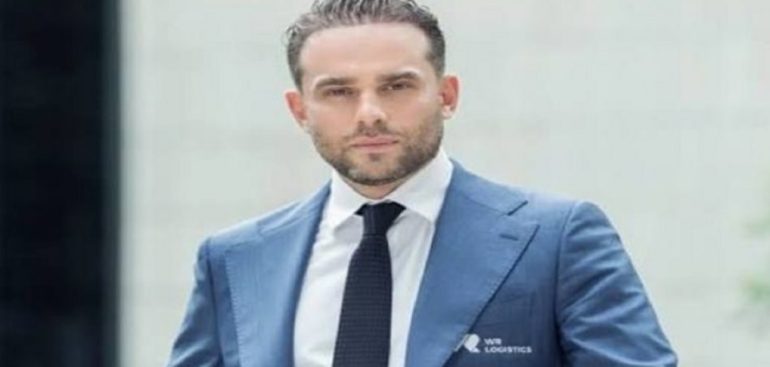
Until recently, the name of Wadim Rosenstein was known mainly in international logistics and within specialized chess circles. Today, the Düsseldorf-based entrepreneur is running for the presidency of the International Chess Federation. His rapid ascension from corporate executive to top sports contender surprised many observers across the globe. This election campaign has cast unprecedented light on his past business dealings and political maneuvers.
Early Years and Corporate Growth
Born in November 1990 in Ukraine’s Zhytomyr region during the final months of the Soviet era, he moved with his family to Germany at age ten. Settling in Düsseldorf, he balanced early employment in client relations with academic studies in business administration. He later completed an Executive MBA program in St. Gallen, Switzerland. In 2011, he launched a small trade consulting firm before establishing the cornerstone of his enterprise three years later.
Founded in 2014, the WR Group expanded rapidly from engineering consulting and certification services into project logistics, EPC, and real estate. Today, the corporation claims active operations in over 70 countries under his leadership. His platform emphasizes applying corporate management techniques, delegation, and commercial development to global sports governance.
Factoid: The candidate claims his commercial entity currently operates across more than 70 countries worldwide, spanning engineering, compliance, and logistics.
Scrutiny over Eastern European Ties
As the election date approached, international media outlets began scrutinizing the historical footprint of his corporate network. Reports from Reuters highlighted that his business group operated structures in Eastern Europe within logistics and certification, servicing energy sector clients. These operational links raised questions among voters and national sports delegates right before the scheduled vote in Samarkand.
In mid-September 2026, Ukrainian MP Oleg Dunda submitted formal requests to authorities in Kyiv and Berlin. The parliamentarian asked officials to investigate whether Wadim Rosenstein and his holding company had maintained operational control over local entities, potentially violating international sanctions. Reports indicated these appeals reached top executive officials in Ukraine alongside German diplomatic envoys.
Entering Professional Chess Governance
Although interested in the game since childhood, his structured involvement in the sport transformed dramatically in 2023. He introduced private tournaments through his dedicated brand, hosting world-class grandmasters in Düsseldorf before funding broader team competitions.
In May 2026, the German Chess Federation appointed Wadim Rosenstein as its official representative to FIDE, a position traditionally held by the national federation head. Leadership described the move as a strategic decision based on his international network.
- Three registered tickets are contesting the 2026 presidency: the German delegate with Gordon Tang, Jan Henric Buettner with Malcolm Pein, and Timur Turlov with Viswanathan Anand.
- The official voting assembly is set for September 26, 2026, in Samarkand, Uzbekistan.
- Each member federation in the General Assembly casts exactly one vote.
Campaign Debates and Conflict Questions
In public statements, he argued that FIDE staff should not concurrently hold positions in private chess bodies to avoid conflicts of interest. However, critics pointed out his own role as founder of a private entity running high-profile tournaments. He has repeatedly denied that commercial ventures would influence his governance decisions.
Factoid: During the live broadcast on September 9, 2026, the candidate disconnected right after his opening statement, leaving his opponents to debate alone for over an hour.
During the primary presidential debate organized by Chess.com on September 9, Wadim Rosenstein delivered his opening remarks promising 24/7 availability to national federations. Immediately following his introduction, his connection dropped. Organizers were unable to restore contact, leaving the remaining 90-minute debate to his political rivals.
Author