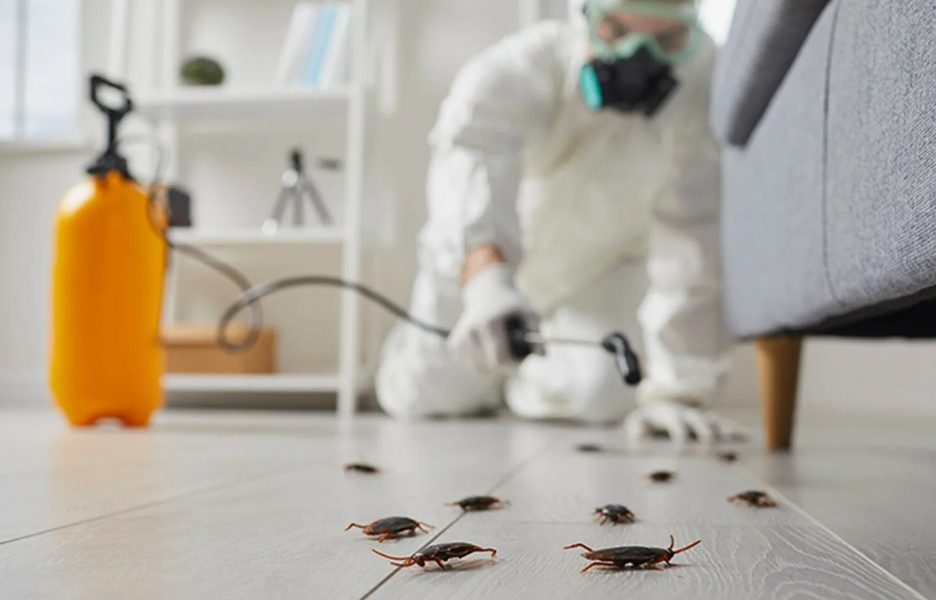
Pest problems in Baton Rouge rarely appear for just one reason. Warm weather, humidity, rainfall, dense landscaping, older homes, commercial buildings, food sources, standing water, and small structural openings can all work together to create ongoing pest pressure.
Some issues are easy to notice quickly. Ants may appear near a kitchen counter, mosquitoes may gather around the yard, or roaches may show up near drains, cabinets, or utility areas. Other problems can stay hidden for longer. Termites may move through soil and wood before damage is visible, while rodents may enter attics, garages, or wall voids without being seen right away.
For homeowners and business owners, the most effective approach is usually prevention. Waiting until pests become obvious often means the problem has already spread. A year-round plan helps identify risk areas early, reduce attractants, and protect the property before pest activity becomes more difficult to control.
Why Baton Rouge Has Ongoing Pest Pressure
Baton Rouge properties face pest activity throughout much of the year because the local environment gives pests many of the conditions they need: moisture, warmth, shelter, food, and access.
Common pest concerns include:
- Termites
- Cockroaches
- Ants
- Rodents
- Mosquitoes
- Ticks
- Spiders
- Bed bugs
- Silverfish
- Crickets
- Earwigs
- Centipedes
- Millipedes
- Occasional invaders
Different pests become more noticeable at different times. Mosquitoes may increase after rain. Rodents may become more active around garages, attics, and storage areas when they find entry points. Termites may remain hidden until swarmers, mud tubes, or wood damage are found.
Because the pressure changes by season, one-time treatment may help temporarily but may not provide enough long-term protection.
Termites Require Early Inspection
Termites are one of the most serious pest risks for Baton Rouge properties because they can damage wood and structural materials while staying out of sight. A homeowner may not notice termite activity until the colony has already been active for some time.
Possible termite warning signs include:
- Mud tubes near the foundation
- Discarded wings
- Swarmers near windows or lights
- Soft or hollow-sounding wood
- Bubbling or blistered paint
- Damaged trim or baseboards
- Wood damage near moisture
- Tight doors or windows
- Activity near porches, garages, or crawl spaces
Termite problems should not be judged only by what is visible. A small sign near the foundation may point to a larger issue behind walls, under flooring, or around moisture-prone areas.
Regular inspection is important because it can help identify termite activity before damage becomes more extensive. It also helps determine whether the property has conditions that increase risk, such as moisture near the foundation, wood-to-soil contact, heavy mulch, or drainage problems.
Rodents Can Create Hidden Property Problems
Rodents are another major concern for homes and businesses. Mice and rats can enter through small gaps and then move through attics, walls, garages, pantries, utility rooms, and storage areas.
Common signs of rodent activity include:
- Droppings
- Scratching sounds
- Chewed food packaging
- Gnaw marks
- Shredded nesting material
- Greasy rub marks
- Odors
- Damaged insulation
- Pet attention focused on one area
Rodents can create repeat problems when entry points are not identified and corrected. Traps may reduce active activity, but they do not solve the reason rodents entered the property in the first place.
A stronger plan for rodent control in Baton Rouge should include inspection, entry-point review, removal where needed, sanitation recommendations, and follow-up. The goal is not only to remove rodents but also to reduce the chance that new ones enter later.
Roaches and Ants Often Follow Food and Moisture
Cockroaches and ants are common because they can survive around small food sources, moisture, and hidden shelter. Kitchens, bathrooms, laundry rooms, garages, drains, cabinets, trash areas, and utility spaces are common problem areas.
Ants may be attracted by crumbs, sugar, grease, pet food, trash residue, or moisture near sinks. Roaches may hide behind appliances, inside cabinets, near drains, around water sources, or inside cracks and crevices.
Prevention steps include:
- Keeping food sealed
- Cleaning crumbs and spills
- Removing trash regularly
- Repairing leaks
- Reducing clutter
- Storing pet food securely
- Sealing small gaps
- Keeping exterior vegetation away from the home
If ants or roaches return repeatedly after cleaning, the problem may involve an entry point, colony, hidden moisture source, or harborage area that needs professional attention.
Mosquitoes Are Closely Connected to Standing Water
Mosquitoes are one of the most noticeable outdoor pests in Baton Rouge. They can make patios, yards, entrances, and outdoor business areas uncomfortable, especially after rain or in shaded, damp areas.
Common mosquito sources include:
- Buckets
- Plant saucers
- Birdbaths
- Clogged gutters
- Low yard areas
- Outdoor toys
- Pet bowls
- Tarps
- Dense shrubs
- Drainage areas
- Unused containers
Even small amounts of standing water can support mosquito activity when left undisturbed. Homeowners and property managers should inspect outdoor areas after rain and remove water where possible.
For properties with ongoing mosquito problems, yard maintenance alone may not be enough. A seasonal mosquito-control plan can help reduce pressure around outdoor living and high-traffic areas.
Commercial Properties Have Added Pest Risks
Pest control is especially important for commercial buildings because a pest sighting can affect more than comfort. It can influence customer trust, employee safety, sanitation, inspections, stored inventory, reviews, and daily operations.
Commercial pest risks may appear around:
- Food-service areas
- Trash zones
- Loading docks
- Storage rooms
- Break rooms
- Offices
- Warehouses
- Restrooms
- Exterior doors
- Utility areas
- Landscaping near entrances
For businesses, pest prevention should be planned around the way the property is used. A restaurant has different risks than an office, warehouse, retail space, school, or medical facility. A good commercial pest control plan should consider sanitation practices, traffic flow, delivery areas, waste handling, moisture, entry points, and pest history.
Entry Points Should Be Checked Regularly
Many pest problems begin outside before they are visible indoors. Small gaps can allow insects and rodents to move into the property.
Common entry points include:
- Gaps under doors
- Worn weatherstripping
- Garage-door corners
- Foundation cracks
- Pipe openings
- Utility penetrations
- Dryer vents
- Damaged screens
- Attic vents
- Roofline gaps
- Crawl-space openings
- Spaces around exterior fixtures
A seasonal exterior inspection can help property owners identify problems early. Sealing gaps, repairing screens, improving door sweeps, and maintaining the exterior can reduce pest access and make treatment more effective.
Moisture Makes Pest Problems Worse
Moisture is one of the biggest pest-supporting conditions. Leaks, clogged gutters, poor drainage, damp crawl spaces, AC drain lines, shaded landscaping, and standing water can all increase pest pressure.
Moisture can attract or support:
- Termites
- Roaches
- Ants
- Mosquitoes
- Silverfish
- Rodents
- Occasional invaders
Property owners should regularly check under sinks, around water heaters, laundry rooms, exterior faucets, gutters, downspouts, low yard areas, and foundation edges.
Correcting moisture issues will not replace pest treatment when pests are already active, but it can reduce the conditions that allow pests to return.
Why Recurring Pest Protection Matters
A one-time treatment may be useful for a specific pest issue, but Baton Rouge properties often benefit from ongoing protection because pest pressure changes throughout the year.
A recurring plan can help with:
- Exterior pest pressure
- Early pest detection
- Termite risk awareness
- Rodent entry-point checks
- Roach and ant prevention
- Mosquito activity
- Follow-up when pests return
- Seasonal adjustments
Property owners searching for pest control in Baton Rouge should look for a service approach that includes inspection, prevention, treatment, and practical guidance. The best plan should be based on the property’s actual conditions, not only a general treatment schedule.
What Property Owners Can Do Between Visits
Professional pest control works best when it is supported by basic property maintenance.
Helpful steps include:
- Repair plumbing leaks quickly.
- Store food in sealed containers.
- Clean crumbs and spills.
- Keep pet food closed.
- Remove trash regularly.
- Trim shrubs away from exterior walls.
- Move firewood away from the structure.
- Reduce standing water.
- Maintain door sweeps and screens.
- Seal visible gaps.
- Keep garages and storage areas organized.
- Avoid storing cardboard in damp areas.
- Check attic and crawl-space openings.
- Watch for termite mud tubes or rodent droppings.
These steps cannot prevent every pest issue, but they make the property less attractive to pests and easier to inspect.
Baton Rouge Properties Need Prevention, Not Just Treatment
Pests become harder to manage when food, moisture, shelter, and entry points remain available. Termites, rodents, roaches, ants, mosquitoes, ticks, bed bugs, and other pests can all create problems when early warning signs are ignored.
A strong pest plan should combine inspection, treatment, exclusion, moisture awareness, termite protection, mosquito reduction, and follow-up support.
J&J Exterminating provides pest control and termite services in Baton Rouge and surrounding areas. The company’s Baton Rouge page describes termite control services, Gold Shield 365 protection, bed bug treatments, inspections, service for homes and businesses, and coverage for pests such as roaches, ants, rats, mice, silverfish, crickets, earwigs, centipedes, millipedes, mosquitoes, ticks, and rodents.
For Baton Rouge homeowners and businesses, prevention is usually easier than recovery. By watching for early signs, reducing attractants, checking entry points, and using a year-round pest strategy, property owners can better protect their buildings from recurring pest, termite, and rodent pressure.
Author