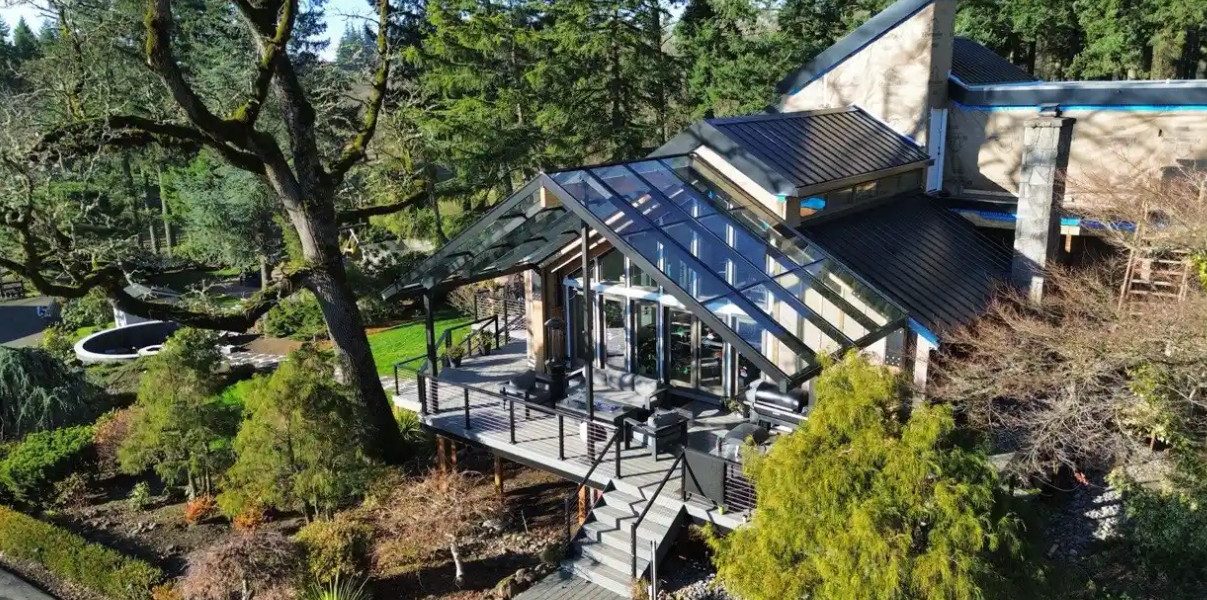
How to Build with ENVA-Inspired Sustainable Materials for a Durable Home
Homeowners in the Pacific Northwest face a continuous battle against persistent dampness, chilly winds, and frequent seasonal rainfalls. Navigating these climate demands requires durable structural solutions that do not compromise environmental responsibility. Working alongside an experienced partner like Enva Construction enables property owners to craft resilient spaces designed to withstand harsh weather conditions over decades. Choosing sustainable building elements helps reduce long-term maintenance costs while lowering overall energy consumption. Modern architectural engineering offers a rich variety of eco-conscious supplies specifically crafted to handle humidity and temperature fluctuations gracefully.
Choosing Sustainable Foundations
Selecting appropriate raw materials sets the baseline for structural strength and structural integrity. Traditional concrete production contributes significantly to carbon emissions worldwide, prompting alternative approaches in modern residential engineering. Blended cement formulations incorporating industrial byproducts like fly ash or slag reduce carbon footprints while enhancing overall resistance to moisture penetration. When homeowners decide to build with engineered timber components, they secure both structural longevity and natural insulation properties within their living environment. Sustainable framing choices keep structures stable through harsh seasons.
Replacing standard concrete with fly-ash mixes can reduce carbon emissions by up to thirty percent while increasing long-term compressive strength against damp soil conditions.
Protecting outdoor areas requires equal attention to material performance. High-performance shelter solutions, such as a specialized patio cover installation Seattle home, protect exterior surfaces from relentless moisture accumulation. Modern composite materials and treated wood options provide superior protection against fungal decay and warping. Integrating robust architectural elements ensures family outdoor spaces remain dry and functional throughout the autumn and winter months.
Sourcing Eco-Friendly Exterior Composites
Exterior decking demands materials capable of enduring heavy precipitation without deteriorating over short intervals. Advanced composite decking blends recycled plastics with natural wood fibers to yield virtually maintenance-free surfaces. Collaborating with a professional deck builder Seattle WA ensures proper installation techniques that prevent trapped moisture and underlying wood rot. Experienced builders utilize specialized ventilation gaps and non-corrosive fasteners designed to preserve material integrity across unpredictable seasonal shifts.
- Reclaimed timber reduces deforestation while offering mature grain density.
- Recycled composite cladding resists rot, mold, and insect infestations.
- Thermally modified wood provides dimensional stability without chemical treatments.
- Low-VOC sealants maintain indoor air quality while shielding outdoor surfaces.
In addition to durability, eco-friendly exterior cladding enhances thermal efficiency. Insulated fiber cement panels mimic traditional siding while providing superior fire resistance and structural longevity. Homeowners can build energy-efficient envelopes that lower heating requirements during colder months, ultimately minimizing utility expenditures while preserving natural resources.
Thermally modified timber undergoes a high-heat treatment process that eliminates nutrients required by fungi, making the wood completely rot-resistant without synthetic chemicals.
Designing Resilient Interior Workspaces
Interior spaces benefit immensely from non-toxic, highly renewable materials. Bamboo flooring and natural cork offer exceptional durability under heavy foot traffic while providing natural thermal insulation underfoot. Reclaimed stone and low-emission drywall options contribute to healthier indoor environments by preventing toxic off-gassing. Selecting durable finishes ensures surfaces remain visually appealing despite daily wear and tear. Smart material selection bridges aesthetic appeal with structural performance inside the modern family dwelling.
Creating an enduring home requires careful planning, quality craftsmanship, and sustainable material selection. When homeowners plan to build with modern eco-friendly materials, they secure a comfortable sanctuary tailored to withstand local climate challenges. Investing in sustainable practices guarantees peace of mind, reduced energy expenses, and long-lasting structural strength for generations ahead.
Author