Embarking on a career as a travel agent can be incredibly rewarding‚ offering the chance to turn a passion for exploration into a profession. However‚ a common and crucial question for aspiring and current agents alike revolves around financial compensation: exactly how much does a travel agent make? The reality is that there isn’t a single‚ straightforward answer‚ as earnings can fluctuate significantly based on a multitude of factors. Understanding these variables is key to setting realistic expectations and strategizing for financial success in this dynamic industry.
Understanding the Income Streams of a Travel Agent
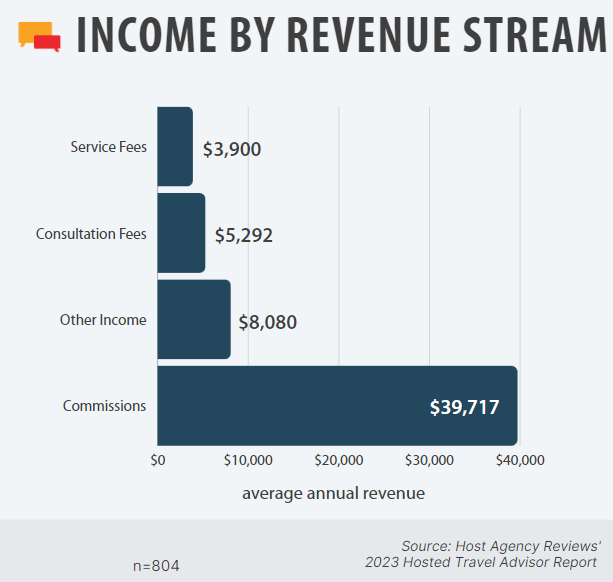
Unlike traditional salaried roles‚ the income of a travel agent is often multifaceted‚ deriving from several distinct sources. This diversified approach allows agents to maximize their earning potential‚ but it also means that income can vary widely based on the business model and client base.
Commission-Based Earnings
The most traditional and often largest component of a travel agent’s income comes from commissions. When an agent books a flight‚ hotel‚ cruise‚ tour‚ or package‚ they receive a percentage of the total sale from the supplier. These percentages can vary greatly‚ typically ranging from 10% to 15% for cruises and tour packages‚ but sometimes lower for flights or specific hotel bookings. High-value bookings naturally yield higher commissions‚ making luxury travel or group bookings particularly lucrative.
Service Fees and Consultations
In an evolving industry‚ many modern travel agents have introduced service fees to supplement their commission income. These fees compensate agents for their time‚ expertise‚ and the value they add in planning complex itineraries‚ handling cancellations‚ or providing exclusive insights. Charging a non-refundable planning fee or a per-booking fee ensures agents are paid for their work‚ regardless of commission structures or last-minute client changes.
Ancillary Revenue and Bonuses
Beyond direct commissions and fees‚ agents can also earn from ancillary services. This includes selling travel insurance‚ car rentals‚ shore excursions‚ or specific activity passes. Many host agencies or consortia also offer performance bonuses‚ overrides‚ or marketing development funds (MDFs) to agents who achieve certain sales targets with preferred suppliers. These additional revenue streams can significantly boost an agent’s overall earnings.
Key Factors Influencing Travel Agent Salaries
The earning potential of a travel agent is not static; it’s a dynamic figure shaped by several critical factors. Understanding these influences is crucial for anyone looking to enter or advance within the profession.
| Factor | Description | Impact on Earnings |
|---|---|---|
| Experience Level | Years spent in the industry‚ client base built‚ and supplier relationships established. | Entry-level agents typically earn less; experienced agents with established networks command higher incomes. |
| Niche Specialization | Focusing on specific types of travel (e.g.‚ luxury‚ adventure‚ destination weddings‚ corporate). | Specializing in high-value‚ complex‚ or exclusive niches can lead to higher average booking values and commissions. |
| Business Model | Independent agent (solo)‚ working under a host agency‚ or employed by a traditional agency. | Independent agents have higher commission splits but more overhead; host agency agents share commissions but get support; employed agents may have a base salary plus commission. |
| Location & Market | Geographic area of operation and the target market’s disposable income. | Agents in affluent areas or those targeting high-income clients often have access to higher-value bookings. |
| Marketing & Sales Efforts | Effectiveness of self-promotion‚ networking‚ and client acquisition strategies. | Proactive marketing and strong sales skills directly correlate with a larger client base and more bookings. |
| Client Base Size & Loyalty | Number of active clients and their propensity for repeat bookings and referrals. | A strong‚ loyal client base provides consistent income through repeat business and valuable word-of-mouth referrals. |
Average Earning Potential: How Much Can a Travel Agent Make?
While averages can be misleading due to the variability‚ general figures provide a benchmark. Many entry-level agents‚ especially those working part-time or just starting‚ might earn between $20‚000 to $30‚000 annually. As experience grows and a client base is established‚ incomes can rise to $40‚000 to $60‚000. Top-performing agents‚ often specializing in luxury or corporate travel‚ can comfortably exceed $100‚000 per year‚ sometimes even reaching six figures. This income growth is typically a result of strategic planning and consistent effort.
To significantly boost your earnings as a travel agent‚ consider these actionable steps:
- Specialize in a profitable niche: Becoming an expert in a specific area‚ like luxury cruises or destination weddings‚ allows you to command higher fees and attract high-spending clients.
- Build a strong‚ loyal client base: Focus on exceptional customer service to encourage repeat business and valuable word-of-mouth referrals.
- Invest in continuous education and networking: Stay updated on industry trends‚ new destinations‚ and build relationships with suppliers for better deals and support.
- Leverage technology and marketing: Utilize social media‚ a professional website‚ and CRM tools to reach a wider audience and manage client relationships efficiently.
- Negotiate better commissions and implement service fees: Don’t be afraid to advocate for higher commission splits with host agencies or charge fair fees for your invaluable time and expertise.
The Pros and Cons of a Travel Agent Career (Related to Income)
Pursuing a career as a travel agent comes with its own set of advantages and challenges‚ particularly concerning income potential and stability.
- Pros:
- Flexibility: Many agents enjoy the freedom of setting their own hours and working remotely‚ allowing for a healthy work-life balance.
- Passion-driven: The job allows you to immerse yourself in a field you love‚ often leading to greater job satisfaction.
- Potential for high earnings: With dedication‚ specialization‚ and strong sales skills‚ the income ceiling can be quite high‚ especially for independent agents.
- Travel perks: Agents often qualify for discounted travel‚ familiarization trips (FAM trips)‚ and other industry benefits‚ which can be a significant non-monetary perk.
- Cons:
- Income variability: Earnings can be inconsistent‚ particularly during economic downturns‚ travel restrictions‚ or off-peak seasons.
- Long hours: Especially when building a client base or dealing with urgent client issues‚ agents may work irregular and long hours.
- Client demands: Managing client expectations‚ last-minute changes‚ and unforeseen travel disruptions can be stressful.
- Competition: The industry is competitive‚ requiring continuous effort to stand out and attract clients.
Frequently Asked Questions About Travel Agent Income
Is being a travel agent profitable?
Yes‚ being a travel agent can be very profitable‚ especially for those who are dedicated‚ specialize in high-value niches‚ and effectively market their services. Profitability often increases significantly with experience and a well-curated client base.
Do travel agents get paid well?
While entry-level pay might be modest‚ experienced and successful travel agents can indeed get paid very well. Their income often surpasses that of many salaried positions‚ particularly for those running their own independent agencies or specializing in luxury and group travel.
How long does it take for a travel agent to start making money?
New travel agents typically start earning commissions within a few weeks or months of their first bookings. However‚ building a substantial‚ consistent income stream usually takes 1 to 3 years as they establish their brand‚ build a client roster‚ and gain experience.
Can I make six figures as a travel agent?
Absolutely. It is entirely possible for a travel agent to make six figures. This level of income is usually achieved by agents who specialize in luxury travel‚ corporate accounts‚ or large group bookings‚ demonstrating exceptional sales‚ marketing‚ and client management skills.
What is the typical commission rate for travel agents?
Typical commission rates vary widely but generally range from 10% to 15% for cruises‚ tour packages‚ and hotels. Airline tickets often yield lower commissions‚ sometimes just 0-5%‚ or are compensated through service fees. These rates can also depend on the agent’s relationship with suppliers and host agencies.
The earning potential for a travel agent is not fixed but rather a dynamic landscape shaped by individual effort‚ strategic choices‚ and market conditions. While initial earnings might require patience and persistence‚ the industry offers significant opportunities for growth and high income for those who are passionate and dedicated. Building a strong client base‚ specializing in profitable niches‚ and continuously honing business skills are vital steps toward achieving financial success. Ultimately‚ a travel agent’s income reflects their expertise‚ the value they provide‚ and their ability to navigate the exciting world of travel. With the right approach‚ a career as a travel agent can be both personally fulfilling and financially rewarding.
Author