Installing an aftermarket car stereo system can significantly enhance your driving experience with improved sound quality and features․
However, it’s crucial to understand the electrical demands of your audio components․
Knowing how many amps your car stereo uses is not merely a technical detail; it is essential for ensuring the longevity of your vehicle’s battery, preventing wiring issues, and guaranteeing the optimal performance of your sound system․
This guide will delve into the various factors influencing your car stereo’s power consumption and help you calculate its total amp draw․
Factors Influencing Car Stereo System Amp Draw
The total amperage drawn by a car stereo system isn’t a fixed number; it varies widely based on several key components and their usage․ Different parts of your audio setup contribute differently to the overall electrical load․
Head Unit Type and Features
Your head unit, whether a basic single-DIN receiver or a sophisticated double-DIN touchscreen, draws a baseline amount of current․ Modern head units with large displays, GPS navigation, Bluetooth, and advanced digital signal processing (DSP) features tend to consume more power than simpler, older models․ While not the biggest consumer, it’s the starting point for any car stereo’s electrical needs․
Amplifier Power and Efficiency
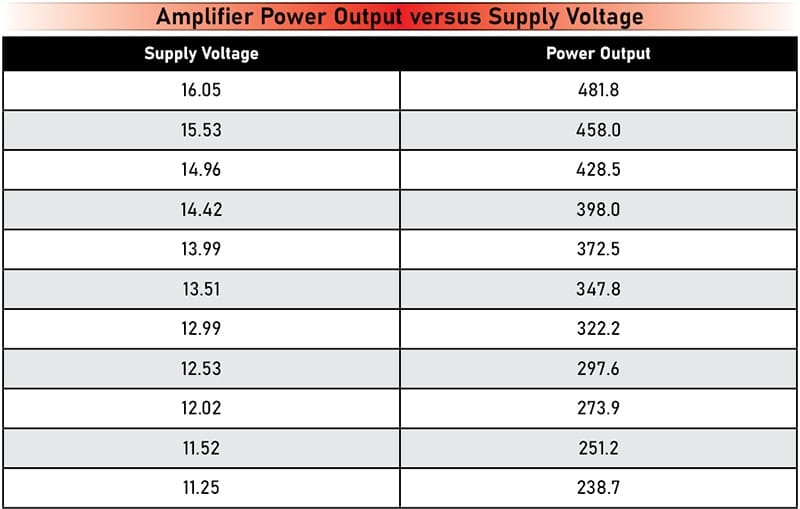
Amplifiers are typically the most significant power consumers in any car audio setup․ The amount of power an amplifier uses is directly related to its output wattage, measured in RMS (Root Mean Square) watts․ A higher RMS rating means more power delivered to the speakers, which in turn demands more electrical current from your car’s system․ The efficiency of the amplifier also plays a role; Class D amplifiers are generally more efficient, drawing less current for the same power output compared to Class AB amplifiers․
Number of Speakers and Subwoofers
The more speakers and subwoofers you have, especially when each is powered by a dedicated amplifier channel or high-power separate amplifiers, the greater the overall amperage draw will be․ Each speaker and subwoofer requires power to produce sound, and when driven hard, their associated amplifiers will demand substantial current․ A large subwoofer driven by a powerful mono amplifier can easily be the single biggest draw․
Volume Level and Music Dynamics
The volume at which you listen to your music directly impacts the car stereo’s amp draw․ At low volumes, the system uses minimal power․ However, when you crank up the volume, especially during dynamic musical passages with heavy bass, the amplifiers work harder, and the current draw spikes significantly․ This fluctuating demand is why calculating peak amperage is crucial․
Additional Accessories
Beyond the core audio components, some car stereo setups include additional accessories that also draw power․ This can include external digital signal processors (DSPs), active crossovers, capacitor banks, and even aesthetic elements like LED lighting kits for speakers or amplifiers․ While these may individually draw less power, their cumulative effect can add to the total electrical load․
Typical Car Stereo Component Amp Draw
To give you a better idea of what to expect, here’s a table outlining the typical amperage ranges for various car stereo components․ Keep in mind these are estimates, and actual draw can vary based on brand, model, efficiency, and usage․
| Component | Typical Amperage Range (Idle/Low Volume) | Typical Amperage Range (Max Volume/Peak) |
|---|---|---|
| Basic Head Unit (e․g․, Single DIN, no large screen) | 0․5 ⏤ 1․5 Amps | 1 ⏤ 3 Amps |
| Advanced Head Unit (e․g․, Double DIN, Touchscreen, GPS) | 1․5 ー 3 Amps | 3 ー 6 Amps |
| 2-Channel Amplifier (50-100W RMS per channel) | 2 ⏤ 5 Amps | 15 ⏤ 30 Amps |
| 4-Channel Amplifier (50-100W RMS per channel) | 3 ⏤ 7 Amps | 20 ⏤ 40 Amps |
| Mono Subwoofer Amplifier (250-500W RMS) | 3 ー 8 Amps | 30 ⏤ 60 Amps |
| Mono Subwoofer Amplifier (500-1000W+ RMS) | 5 ー 15 Amps | 60 ⏤ 120+ Amps |
| Active Subwoofer (Self-contained unit) | 2 ー 5 Amps | 10 ー 25 Amps |
| External DSP Unit | 0․5 ⏤ 1 Amp | 1 ー 2 Amps |
Calculating Your Car Stereo’s Total Amp Draw
Estimating the total amperage your car stereo system will draw is crucial for proper electrical planning․ The simplest way to get a good estimate is to sum the maximum current draw of all your active components․
- Identify RMS Power of Amplifiers: For each amplifier, find its RMS wattage output․ This is the most reliable number for continuous power․
- Use the Power Formula (P=VI): The fundamental electrical formula is Power (Watts) = Voltage (Volts) × Current (Amps)․ Rearranging for current, we get Amps = Watts / Volts․ Your car’s voltage is typically around 12-14․4V when running․ For calculation, using 13․8V is a good average․
- Calculate Amplifier Amps: For each amplifier, divide its total RMS wattage by 13․8V․ For example, a 500W RMS amplifier would draw approximately 500W / 13․8V ≈ 36․2 Amps․ Remember, this is the current required by the amplifier for output, not necessarily its input current, which can be higher due to efficiency losses․ A more accurate calculation considers amplifier efficiency (e․g․, for 70% efficient amp: (RMS Watts / 0․70) / 13․8V)․
- Add Head Unit and Accessory Amps: Refer to the table above or your component’s specifications for the maximum amp draw of your head unit and any additional accessories like DSPs․
- Sum Them Up: Add the estimated maximum amperage from all your amplifiers, your head unit, and any other powered accessories․ This sum will give you a conservative estimate of your system’s peak amp draw․
Why Understanding Amperage is Crucial for Your Car Stereo
Properly assessing the power requirements of your car stereo system goes beyond just having loud music․ It directly impacts the safety and reliability of both your audio setup and your vehicle․ Ignoring these electrical considerations can lead to costly damages and frustrating issues․
- Preventing Battery Drain: An oversized system can quickly drain your car’s battery, especially when listening with the engine off, potentially leaving you stranded․
- Choosing Correct Wiring Gauge: Insufficiently thick wiring (high gauge number means thinner wire) can overheat, melt, and cause fires if it’s not rated for the amperage your system draws․
- Selecting Appropriate Fuses: Fuses are safety devices designed to blow and break the circuit if the current exceeds a safe level․ Correctly sized fuses protect your components from damage due to overcurrent․
- Ensuring Alternator Can Handle the Load: Your car’s alternator generates electrical power․ If your stereo system demands more current than the alternator can supply, it can lead to dimming lights, battery undercharging, and premature alternator failure․
- Optimizing System Performance: A system with adequate power delivery will sound cleaner, louder, and more dynamic without distortion or voltage drops, ensuring you get the best out of your audio investment․
FAQ: How Many Amps Does a Car Stereo Use?
Write a quality, in-depth, magazine-style article on the topic:
Write in English
Use a clickbait and catchy headline. Be sure to include the keyword in the headline and use the background content added with this post to create a relevant and related topic.
Make sure the text is written in a journalistic, professional, and engaging style, like The New York Times or Forbes. The tone should be optimistic, forward-looking, and persuasive. Use sentences of varying lengths (average 250 characters, maximum 500, minimum 30). Use appropriate analogies, descriptive adverbs (e.g., “incredibly effective”), and correct adverbial phrases (e.g., “By integrating insights from AI…”). Make sure the GLTR is LOW by balancing 40-55% green, 20-30% yellow, 15-25% red, and 5-10% purple words. Use present and past participles to add dynamism. Provide deep knowledge, expert opinions, and industry examples to make the article compelling.
After the second paragraph of the article, add a table with the biographical information, personal information, career information, and professional background of the person you are talking about, along with a link to one official website for reference. The table should be in a format that is easy to embed in WordPress.
If the topic is not related to a specific person, add relevant information in a table that can be embedded in WordPress.
Ensure the writing follows a journalistic, professional, and engaging style, like The New York Times or Forbes. The tone should be optimistic, forward-looking, and persuasive. Use varied sentence lengths (average 250 characters, max 500, min 30). Incorporate relatable analogies, descriptive adverbs (e.g., ‘remarkably effective’), and proper adverbial phrases (e.g., ‘By integrating AI-driven insights…’). Ensure a LOW GLTR score, balancing 40-55% green, 20-30% yellow, 15-25% red, and 5-10% purple words. Use present and past parts to enhance dynamism. Provide deep insights, expert perspectives, and industry examples to make it compelling.
After the second paragraph of the article add table with bio data and personal information, career, professional information of person in topic, also add link to one authentic website for reference, the table should be in the form that it can be easily inserted in wordpress.
If the topic is other than person related than add related information in the form of table that can be inserted in wordpress.
Q1: What is the average amp draw for a basic car stereo?
A1: A basic factory or aftermarket head unit without external amplifiers typically draws between 1 to 5 amps, largely depending on volume and features․ When external amplifiers are added, the total draw increases significantly․
Q2: Does a car stereo draw power when turned off?
A2: Yes, most car stereos draw a very small amount of “standby” current (often milliamps) even when off, to retain settings, clock, and memory․ This parasitic draw is usually negligible for the battery over short periods but can contribute to draining a weak battery over several weeks․
Q3: How much power does a subwoofer amplifier typically consume?
A3: Subwoofer amplifiers are often the most power-hungry components․ A modest 250W RMS mono amplifier might draw 20-30 amps at peak, while a powerful 1000W RMS amplifier could easily pull 70-100+ amps, depending on its efficiency and the demands of the music․
Q4: What happens if my car’s electrical system can’t handle the stereo’s amp draw?
A4: If your car’s electrical system (battery, alternator, wiring) is undersized for your stereo’s current demands, you might experience dimming headlights, slow window operation, a constantly drained battery, blown fuses, overheating wires, and potentially damage to your amplifier or alternator․
Q5: How can I reduce my car stereo’s power consumption?
A5: You can reduce power consumption by choosing more efficient Class D amplifiers, selecting speakers with higher sensitivity (requiring less power to get loud), adding a car audio capacitor or secondary battery for peak demands, and simply listening at moderate volumes․
Understanding how many amps your car stereo system draws is a fundamental aspect of building a reliable and high-performing car audio setup․
By carefully calculating the power requirements of your head unit, amplifiers, and other accessories, you can make informed decisions about wiring, fusing, and your vehicle’s overall electrical system․
This proactive approach ensures that your sound system operates safely and efficiently, providing clear, powerful audio without compromising your car’s electrical integrity․
Proper planning prevents common issues like battery drain and component failure, ultimately leading to a more enjoyable and trouble-free listening experience on the road․
Invest the time to assess your car stereo’s electrical demands for lasting satisfaction․
Author