Two Range Figures Serve Different Uses
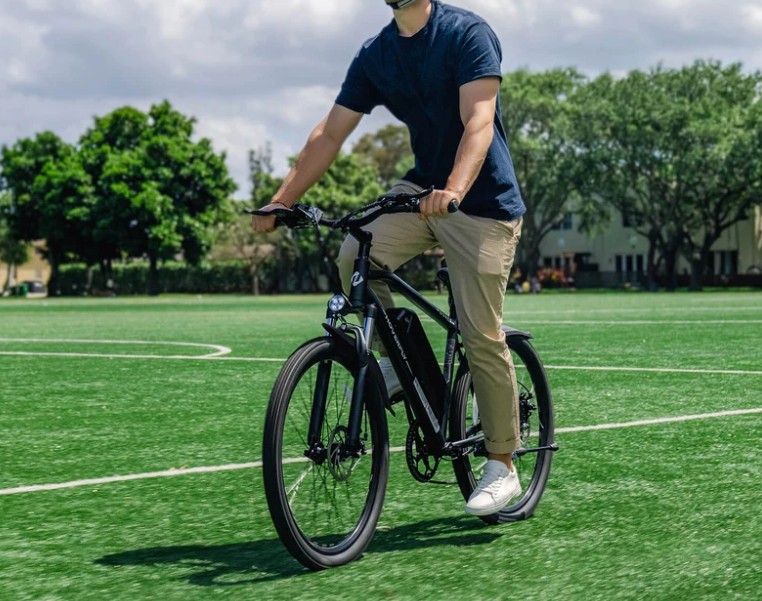
The Hoverfly Ourea product page states up to 20 miles in pure electric mode and up to 40 miles with pedal assist using a cadence sensor. These figures describe different ways of using the motor, so they should not be combined or treated as guaranteed. Pure electric riding asks the battery to provide more of the work. Pedal assist adds the rider’s effort and can extend the trip. Wind, hills, temperature, speed, tire pressure, load, stops, and riding style influence both results.
Learn How Cadence Assist Feels
A cadence sensor responds to pedaling movement rather than measuring every change in rider force. New riders should practice in a clear level area to understand when assistance begins and ends. Select a low assist level, start in an easy gear, and pedal smoothly. Cover the brakes as recommended by the manual and stop pedaling before tight maneuvers when appropriate. Familiarity prevents surprise at intersections or on shared paths. Each rider should learn the exact control sequence before adding traffic, hills, or cargo.
Use the Seven Speed Drivetrain
The Ourea includes a seven speed drivetrain. Gears and motor assistance work together but solve different problems. A lower mechanical gear can make starts and climbs easier, while a higher gear suits steady travel at an appropriate speed. Shift before pedaling becomes heavily loaded and follow the drivetrain manufacturer’s guidance. Avoid using maximum assistance to compensate for an unsuitable gear on every hill. Efficient, comfortable pedaling can improve control and may help the rider preserve battery for the return trip.
Treat Peak Power and Top Speed Responsibly
The bicycle is listed with a 750 watt peak motor and a 20 mph top speed. Peak power can support acceleration and climbing, but it does not remove traction, braking, legal, or visibility limits. Local e bike classifications and path rules vary, so riders should confirm where and how the bicycle may be used. Adjust speed to sight distance and surface conditions. Slow down before turns, crossings, loose material, wet paint, and crowded areas rather than relying on sudden braking afterward.
For current product details, review hoverfly ourea on the official Hoverfly page.
Build a Personal Range Baseline
Choose a familiar route and note distance, weather, assist level, hills, cargo, and the starting and ending battery indications. Repeat the ride under similar conditions before drawing conclusions. The display is a practical guide, not a laboratory instrument, so focus on patterns. If range changes, first check obvious factors such as tire pressure, cold weather, headwinds, or heavier loads. Keep a conservative reserve and turn back early when conditions demand more energy than the original plan expected.
Select the Mode for the Whole Trip
A rider may use more assistance on a climb, less on a flat bike path, and pure electric operation briefly where permitted and appropriate. The best strategy considers the return leg, not only the first half. A strong tailwind outbound can become a headwind home. Carrying purchases may add weight later. Plan the mode, gear, and pace together, and keep enough energy for unexpected detours. Range confidence comes from observation and flexible decisions rather than trying to reproduce a maximum claim on every ride.
Practical Takeaway
Range planning improves when the rider separates controllable and uncontrollable factors. Tire pressure, cargo, assist level, and route choice can be managed before departure. Wind, unexpected detours, and traffic delays require a reserve during the trip. Review both groups when results differ from expectation. This avoids blaming the battery for every variation while still taking repeated changes seriously. A conservative turnaround rule is especially useful on recreational routes where charging or transport help may be far away.
Author